Full stack marketing

Everything you need to grow. One team.

Strategy, ads, content, website, SEO, social. All delivered as one connected system by one founder-led team. Built for Australian service businesses and consumer brands ready to grow without managing five different agencies.

★★★★★5.0
Reviews on Google
30+
Australian businesses trust Cliqe
dashboard.cliqe.com.au
CLIENT RESULTS● Live
Website visitors
+939%
Electrical client
Cost per enquiry
$10.21
Legal client
Meta return on ad spend
+41%
Retail client
Google profile views
+323%
Electrical client
Monthly social views
12K+
Electrical client
One team,
one system
Why piecemeal marketing fails

5 providers, 5 directions.

✕ Different agencies pulling in different directions
✕ No single source of truth on what's actually working
✕ Coordination overhead distracting you from your business
✕ Channels not feeding each other, leaving leads on the table
How we run full stack

Everything connected, everything measured.

01

Discovery

Audit current marketing, competitors, customer journey, and revenue model. Identify the highest-leverage opportunities and the order of operations.

Why it works: full stack only works if it's prioritised. Discovery decides which channel goes first, second, third based on your specific business, not a template.
02

Foundation

Website, brand, tracking, GBP, and content strategy all set up or rebuilt as part of foundation. Get the assets right before scaling spend.

Why it works: scaling marketing on a weak foundation just amplifies the leaks. Foundation first means every dollar in months 2-6 lands on a converting asset.
03

Execute

Google Ads, Meta Ads, SEO, content, social launching in parallel. Each channel briefed by the same strategy, sharing creative and audience data.

Why it works: channels compound when they share data. Search learns from social. Ads learn from organic. Single team = single learning loop.
04

Scale

Monthly review of every channel's contribution. Double spend on the winners. Test new channels. Cut the underperformers. Compounding optimisation.

Why it works: what scales today won't scale tomorrow. Monthly reallocation keeps your marketing budget aimed at whatever's currently producing the best returns.
Full stack wins

When every channel works together.

+939%
Website visitors (electrical)
+137%
Conversion lift (legal)
+345%
Top-tier spend (retail)
+55%
Peak sales (retail)
$10.21
Cost per enquiry (legal)
+63%
Order growth YoY (retail)

All numbers from live client accounts. Full case studies here.

What's included

Every channel, one team.

Paid ads

Google + Meta together. Specialist keyword strategy, creative-first campaigns, conversion-built landing pages, full tracking. Google → · Meta →

SEO

Technical SEO, local pack domination, on-page optimisation, link building. Ranking content that compounds. More →

Content creation

Blogs that rank, case studies that sell, social captions that convert. Always-on content engine. More →

Social media

Always-on Instagram, Facebook, LinkedIn. Community management included. More →

Performance reporting

Single dashboard tying every channel back to leads, jobs, and revenue. Monthly review calls.

Strategy & reporting

Strategy refreshed each quarter. Monthly performance review. Quarterly planning workshops.

★ Full stack principle

Channels compound. Silos don't.

why one team beats five providers
Our process

Built to compound month over month.

01

Discovery

Business, competitor, customer analysis. Channel prioritisation. Month 1.

02

Foundation

Website, brand, GBP, content, tracking. Built before scaling spend.

03

Execute

Channels launch in parallel. Shared strategy. Shared learnings.

04

Scale

Monthly review. Reallocate to winners. Test new channels.

Industries we run full stack for

Specialist across the board.

Common questions

What clients ask about full stack.

How long until I see results?
Google Ads is the fastest to show something, because ads can run as soon as the campaign is approved. Google Business Profile work usually moves before new pages do, and search engine optimisation (SEO) builds over months rather than weeks. How fast depends on your area, your competition and what needs fixing first, which is what we work out in the free marketing review. The reason full stack works is the channels feed each other, so each month gets more efficient.
What's the difference between full stack and individual services?
Single strategy, single team, single point of contact, channels sharing data and creative. Individual services work in isolation. Full stack compounds because the channels learn from each other.
Can I start with one service and add more later?
Yes. You can start with your highest-leverage channel (often Google Ads or SEO) and layer in others as you see results. We're transparent about what to add and when.
Will I be locked into a contract?
Month-to-month, no lock-in. Full stack genuinely takes 6-12 months to hit full velocity though. If you can't commit at least 6 months, individual services might be a better start.
What if I already have parts of this (e.g. A designer or website)?
We work with what you have. If your existing website is solid, we leave it alone and focus on the channels that move the needle. We don't replace what's working.
How much does full stack cost?
It really depends. Three things drive the right number: your location (click costs differ a lot between major-city and regional markets), your competition (how many other specialists are bidding on your terms), and your account setup (a properly built account converts far better than a poor one). We give a real recommendation in the free marketing review based on your specific business, not a generic range.
Who's actually on my account?
Founder-led. Adrian on strategy, paid media, and brand. Lochie on content, SEO, and the technical builds. Specialist contractors brought in for specific deliverables (photographers, videographers, ad spec writers).
no pressure, just a chat

Ready for marketing that compounds?

Get a free marketing review. We'll audit your current marketing, find the highest-leverage opportunities, and tell you honestly whether full stack is right for your stage.
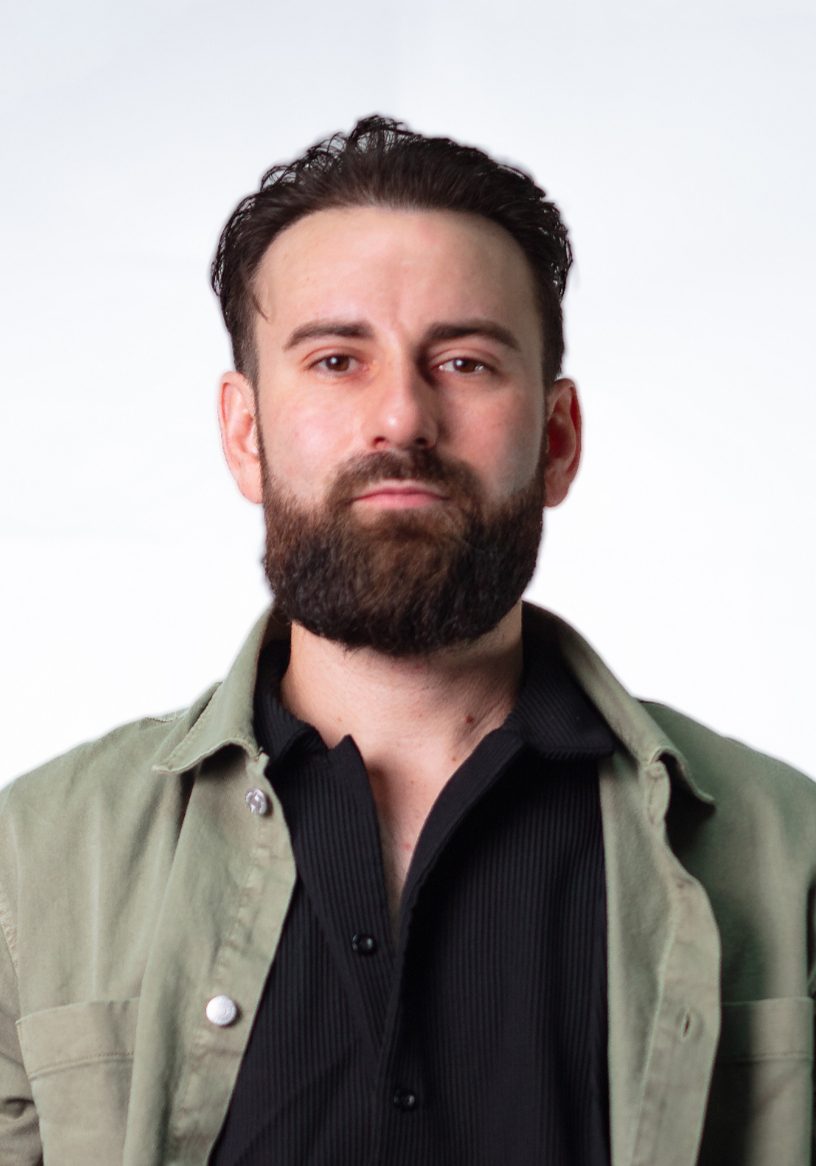
Adrian FowlerWritten by Adrian Fowler, Co-Founder, CLIQE. Last updated 1 June 2026.